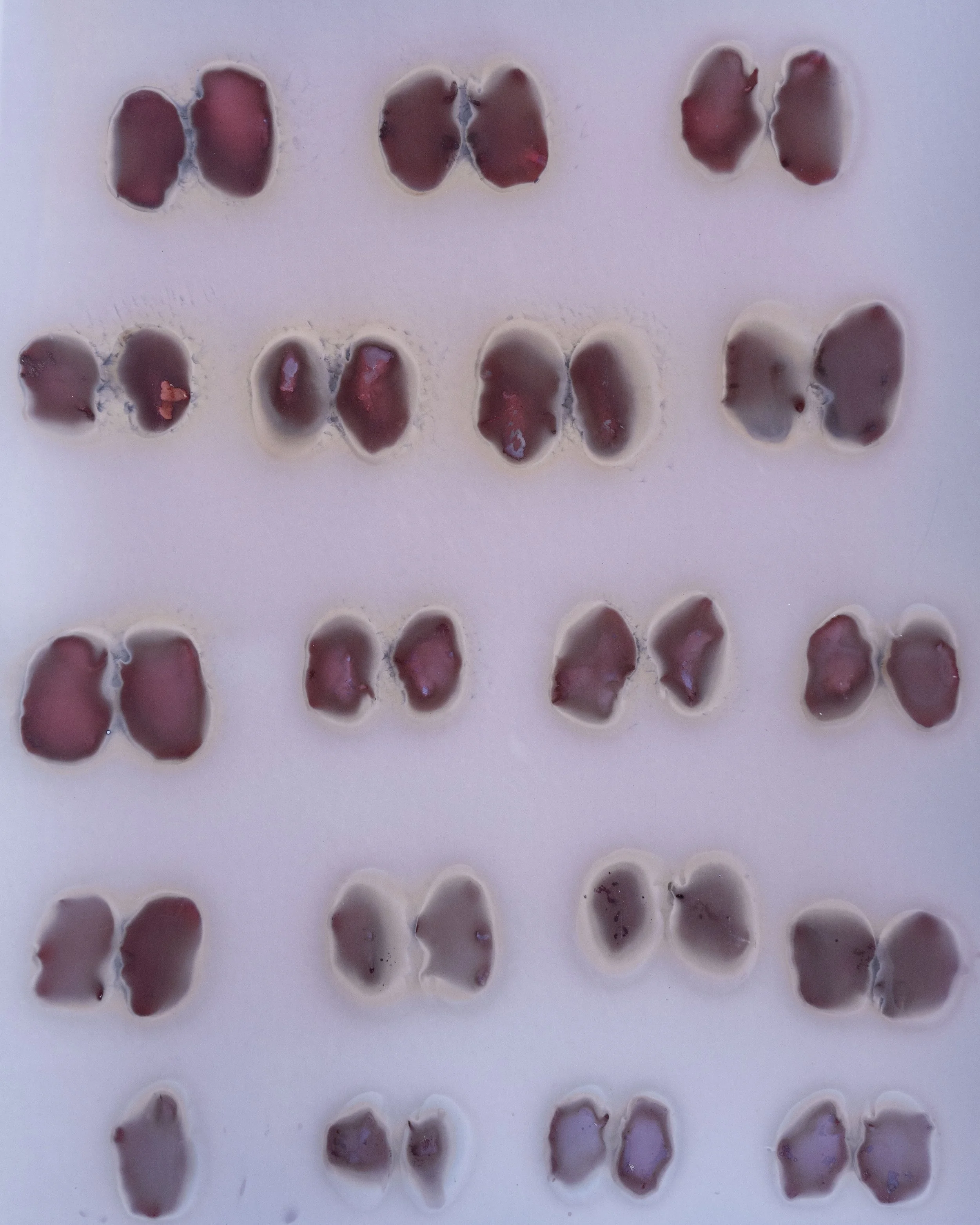
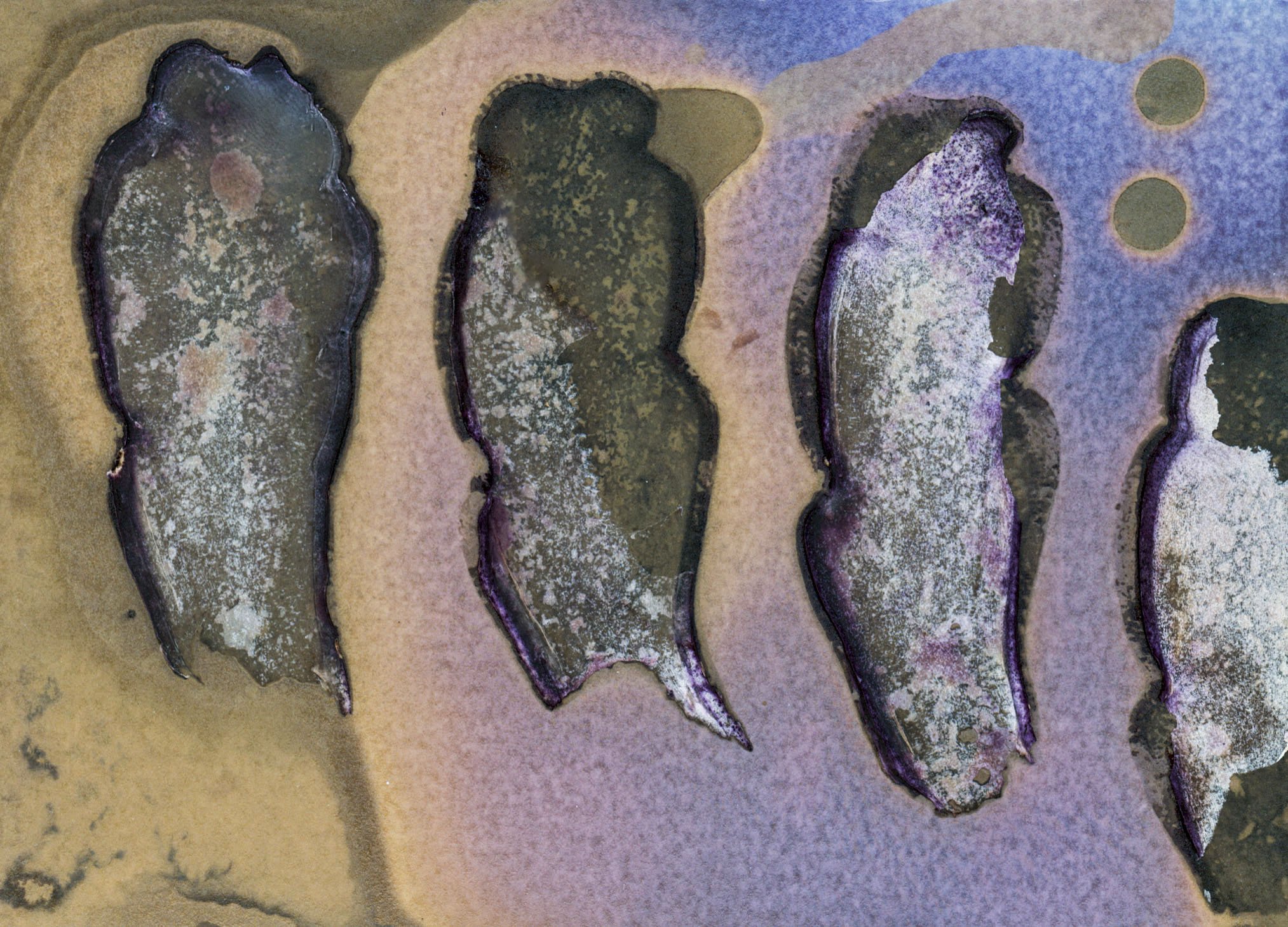
Yanantin
In the Peruvian Andes, life is shaped by opposing yet complementary forces, a principle known in the Andean worldview as “yanantin”, or complementary duality. Reflected in the region's dry and wet seasons, this principle has shaped agricultural, medicinal, and food-preservation practices since pre-colonial times. Plants—categorized by gender, temperature, and realm—combine, and in that encounter, they release power: a concept known in the Andean worldview as “tinkuy”.
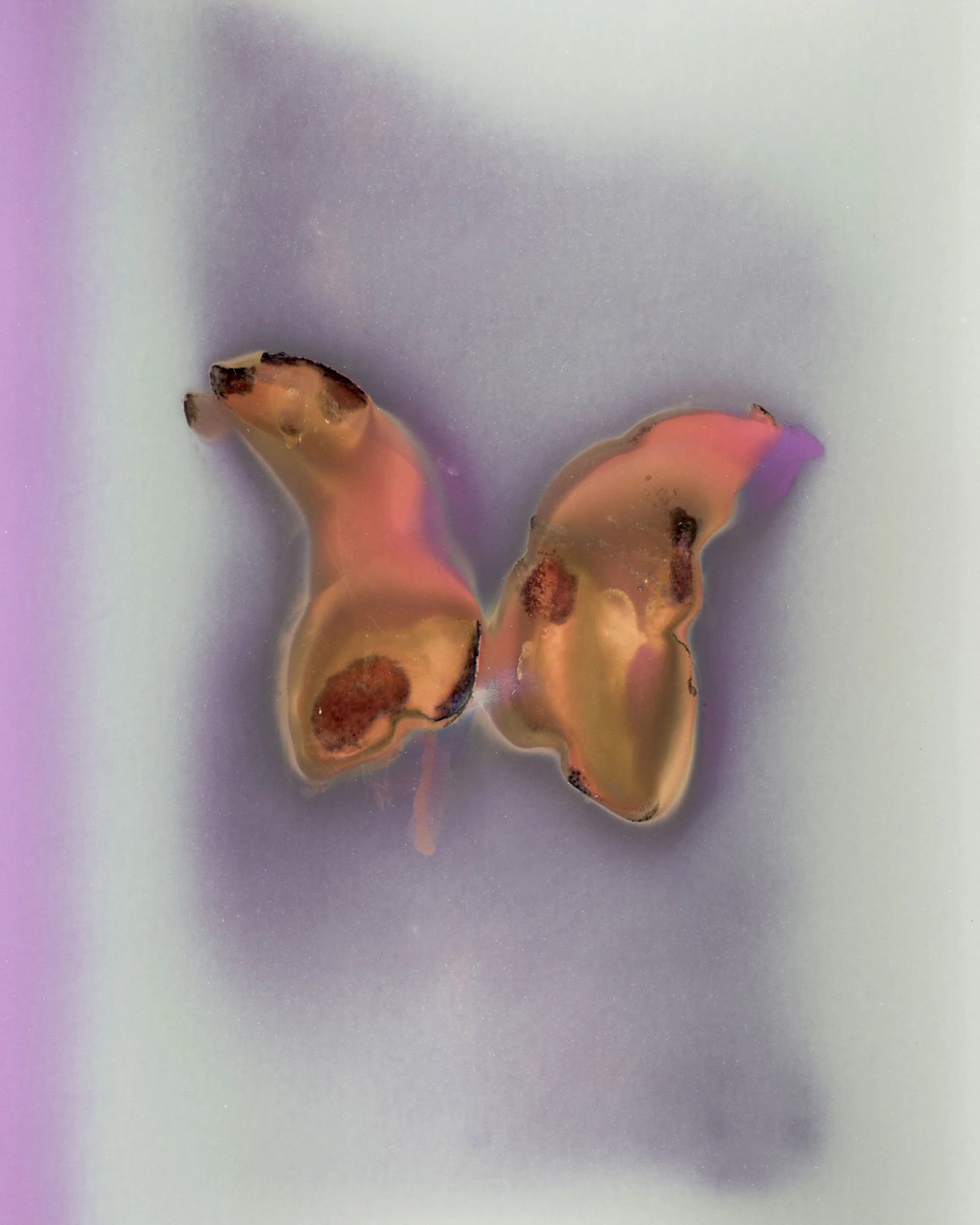
Through a cameraless processes, this series explores the relationship between plants and people in the Moray ecosystem. For this work, plants are placed directly onto photographic paper, transforming these encounters into images. Created through collaborations with farming communities and archaeologists, the work traces yanantin through traditional food-storage techniques, medicinal recipes, and the soils of the Moray archaeological site.
Created during a research process carried out in collaboration with Mater Iniciativa.
Medicinal plants
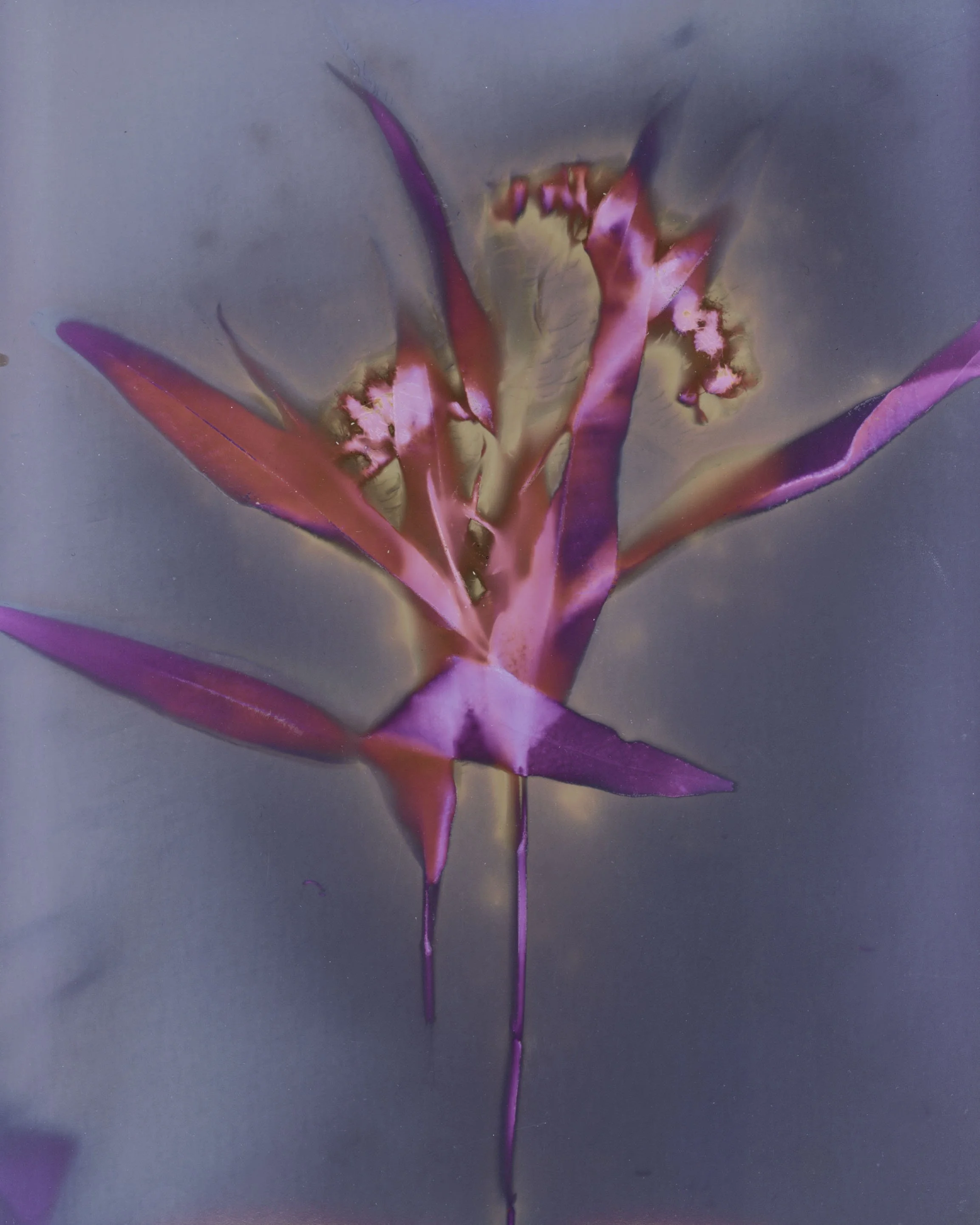
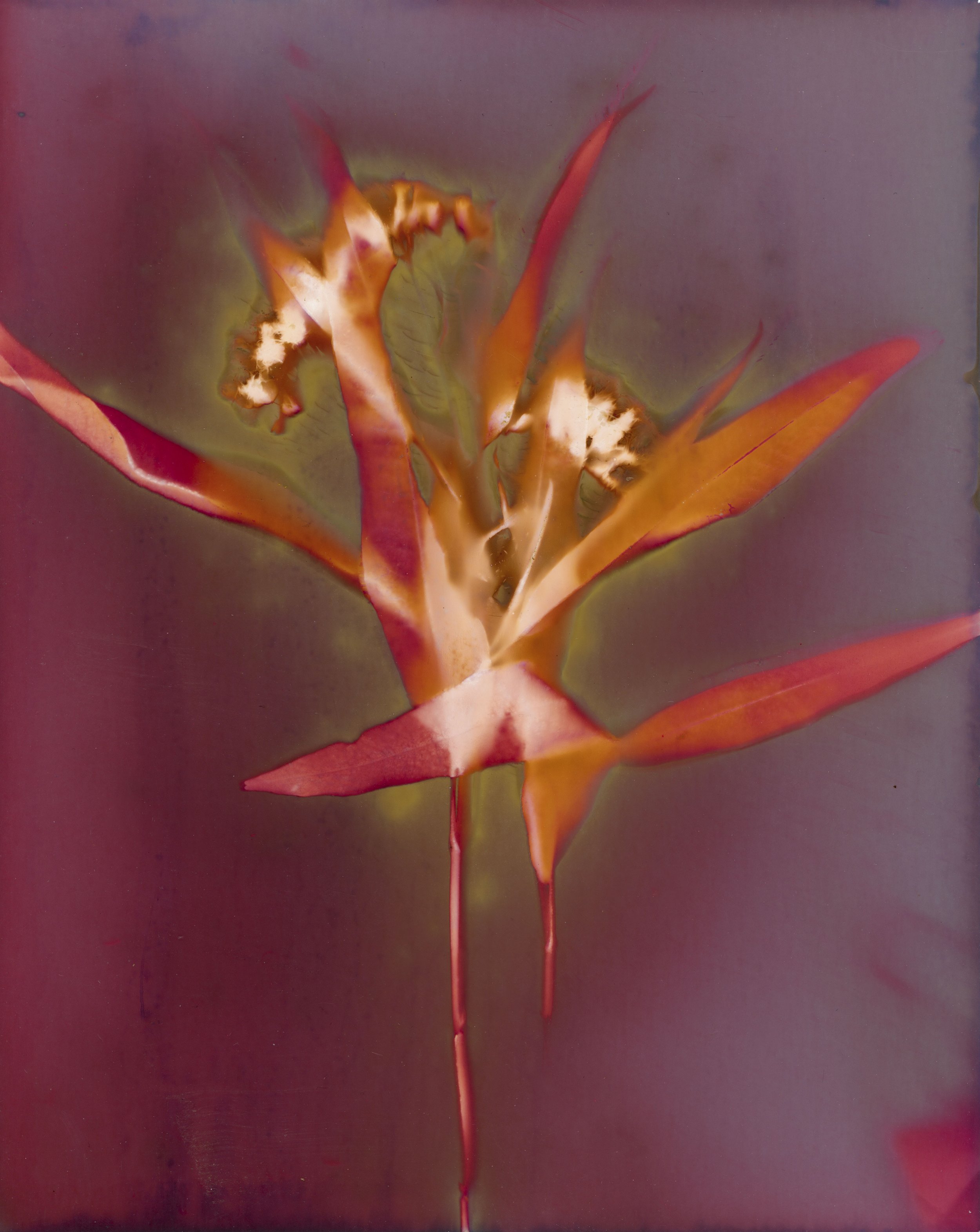
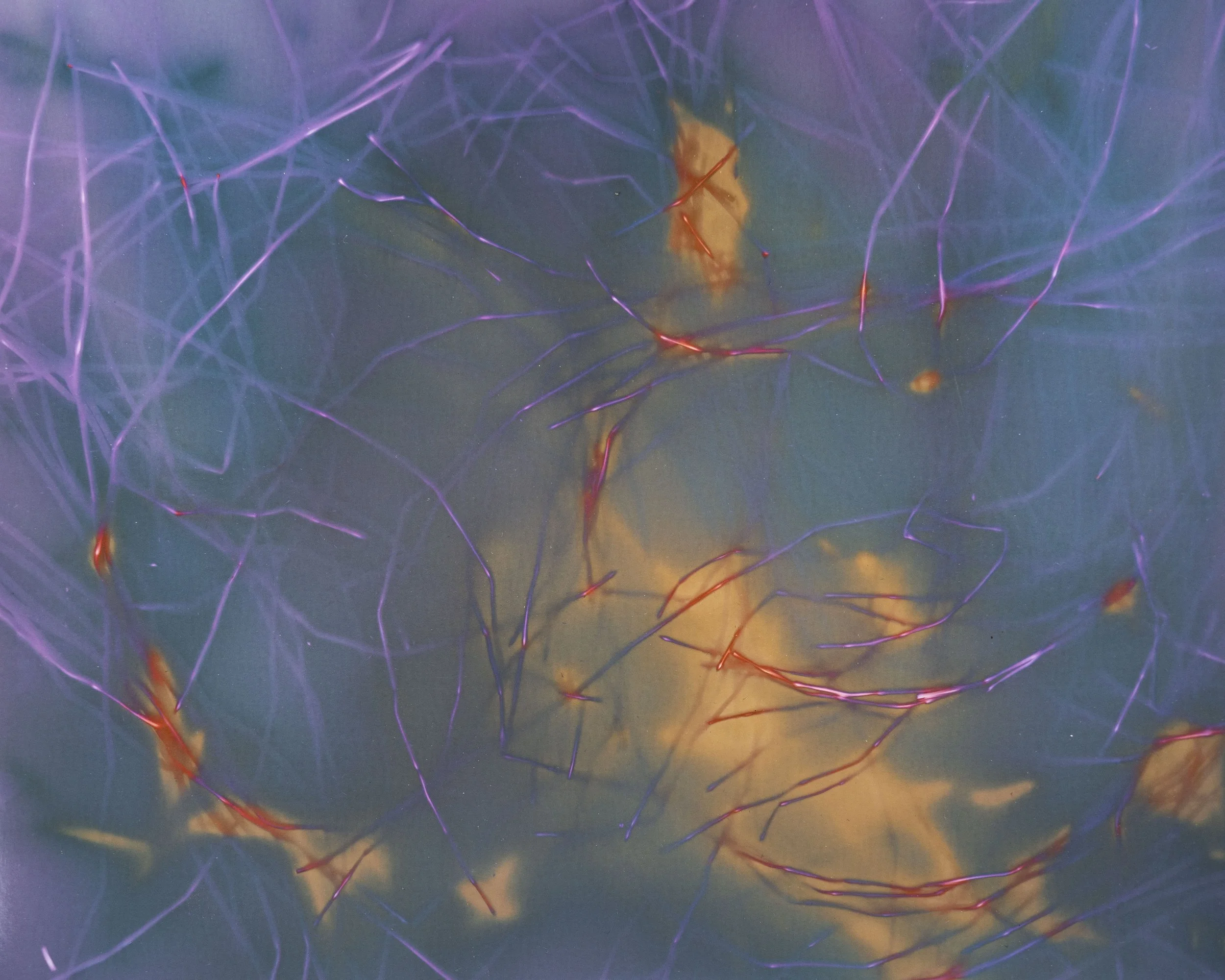
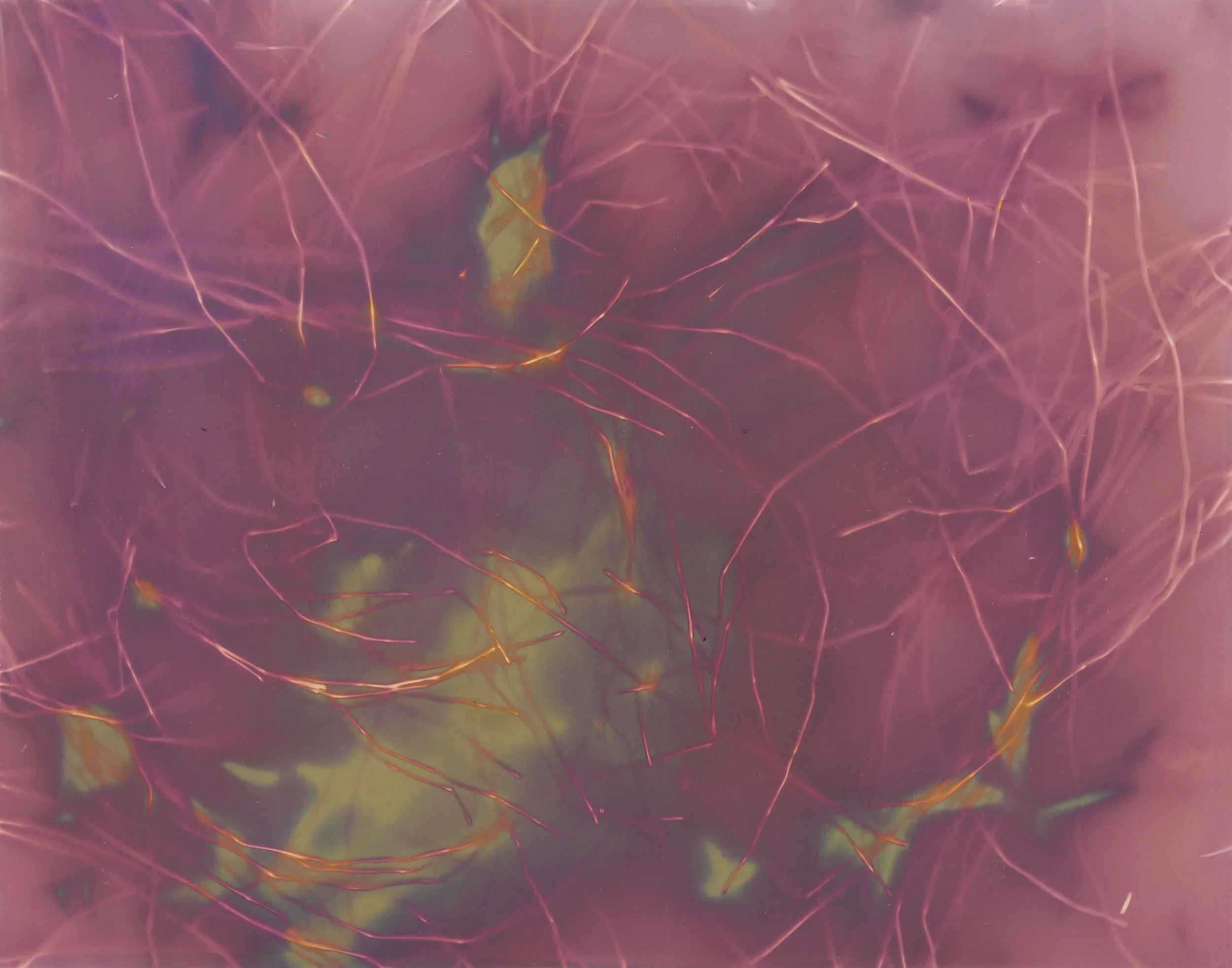
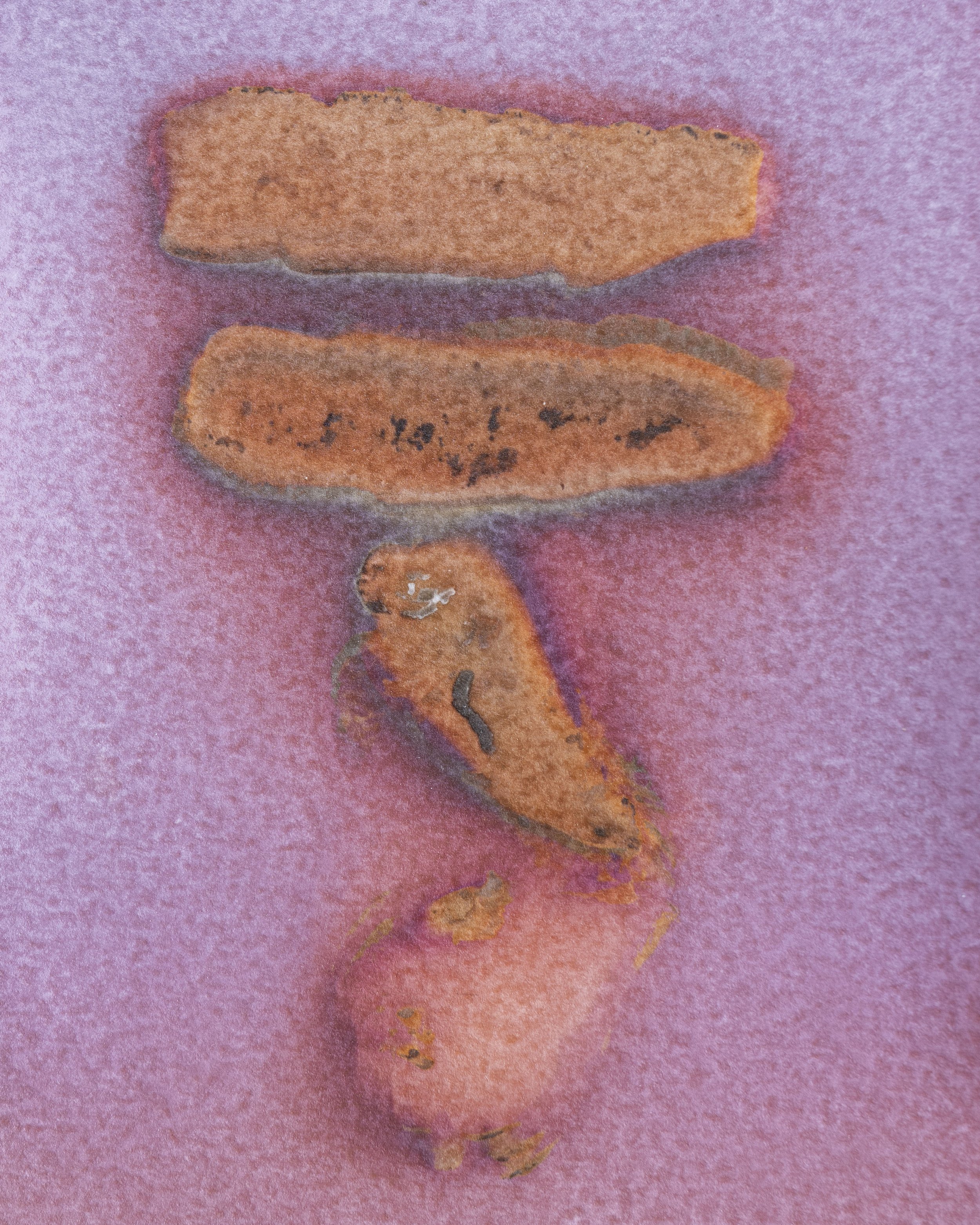
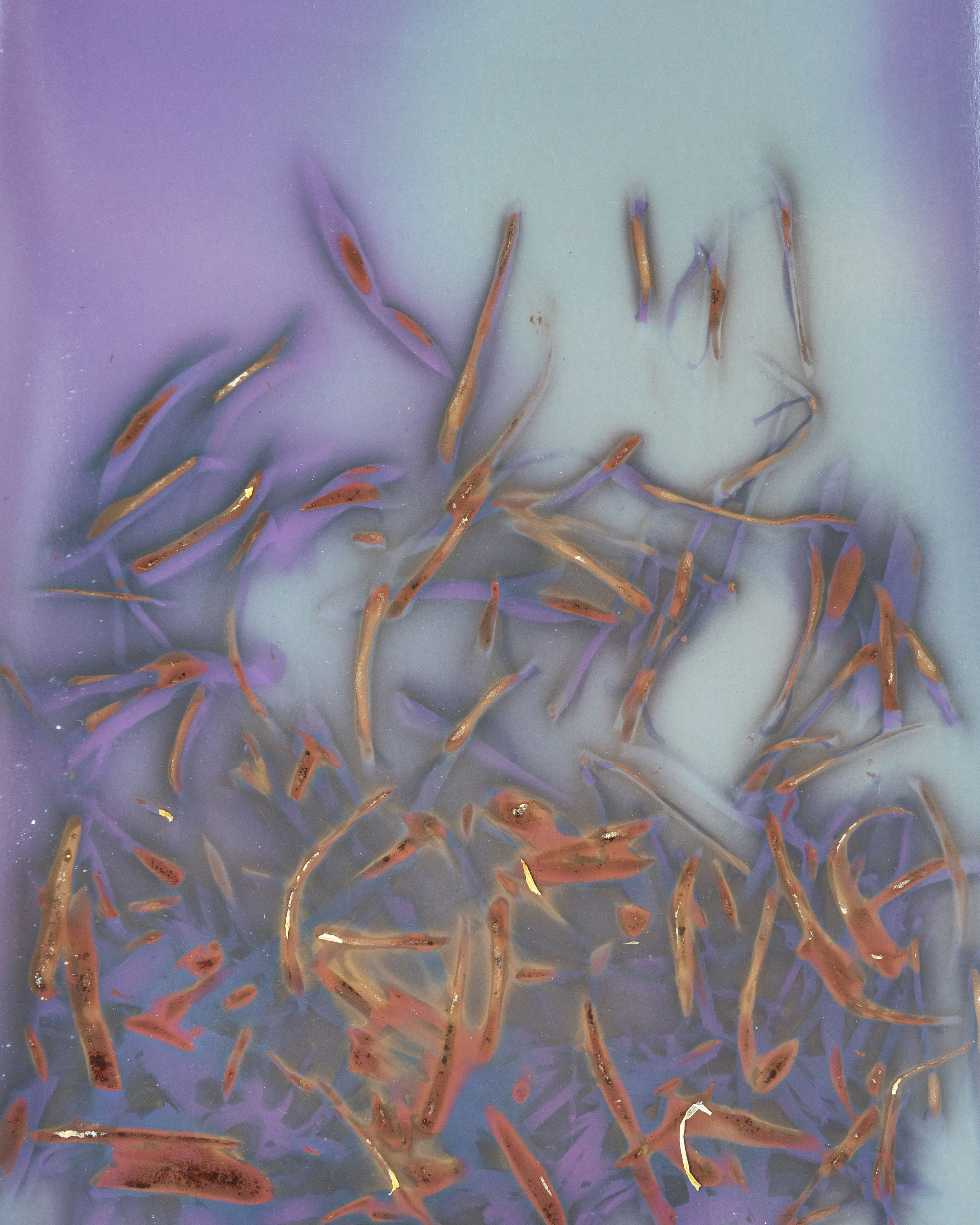
Food Storage
For centuries, farmers in the Andean highlands have stored food inside Qollcas, ancient storehouses that harness natural airflow and wind power from the glacial peaks. They store crops from the harvest between layers of native and introduced plants to maintain freshness and keep away pests. This series of lumen prints, photographed at different moments in time and and stages of chemical process, depicts this practice. Created inside the Qollca Mater, a reinterpretation of an Inca storehouse built by local farming communities near Moray, the Mater Initiative and archaeologist Rachel Schloss.
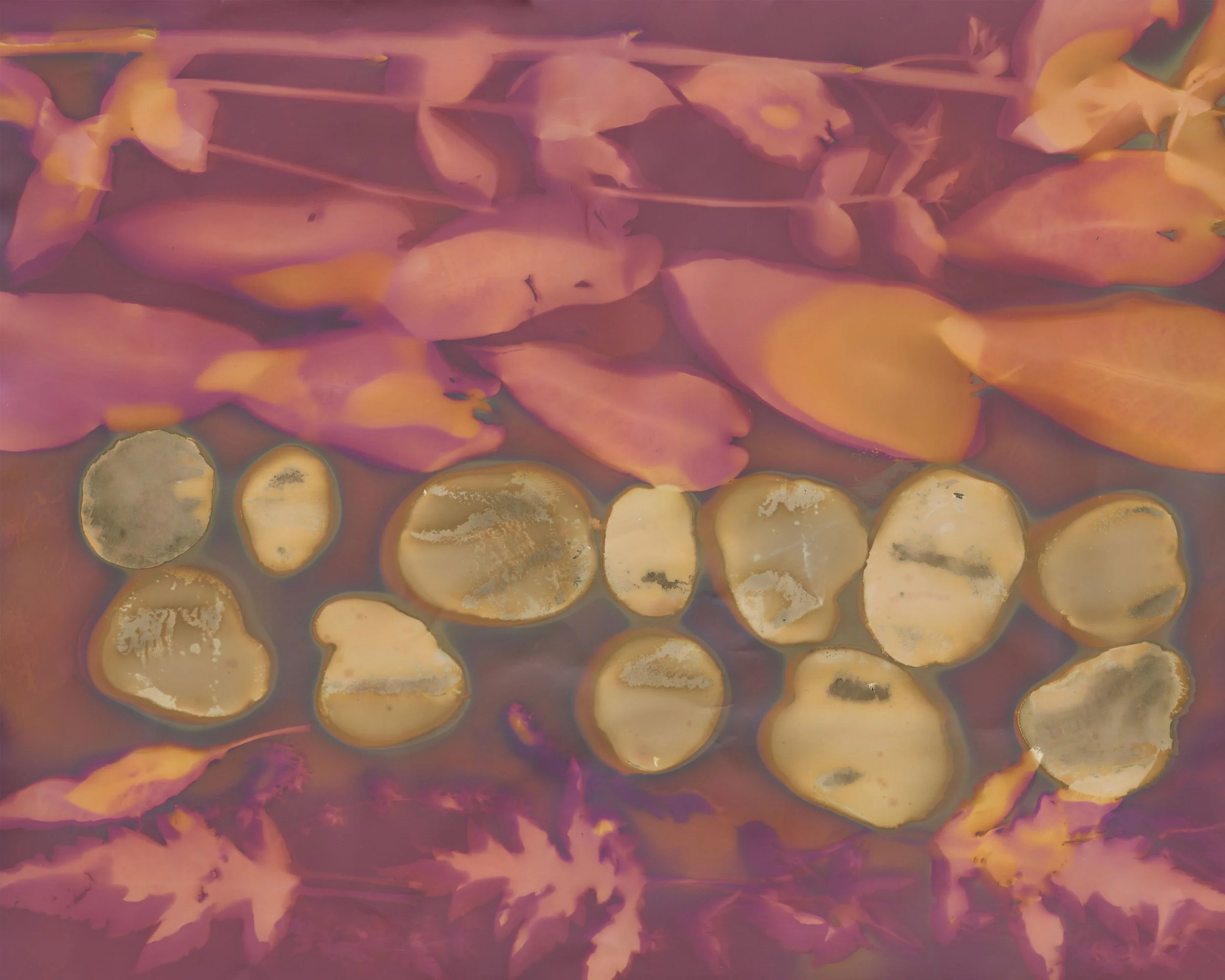
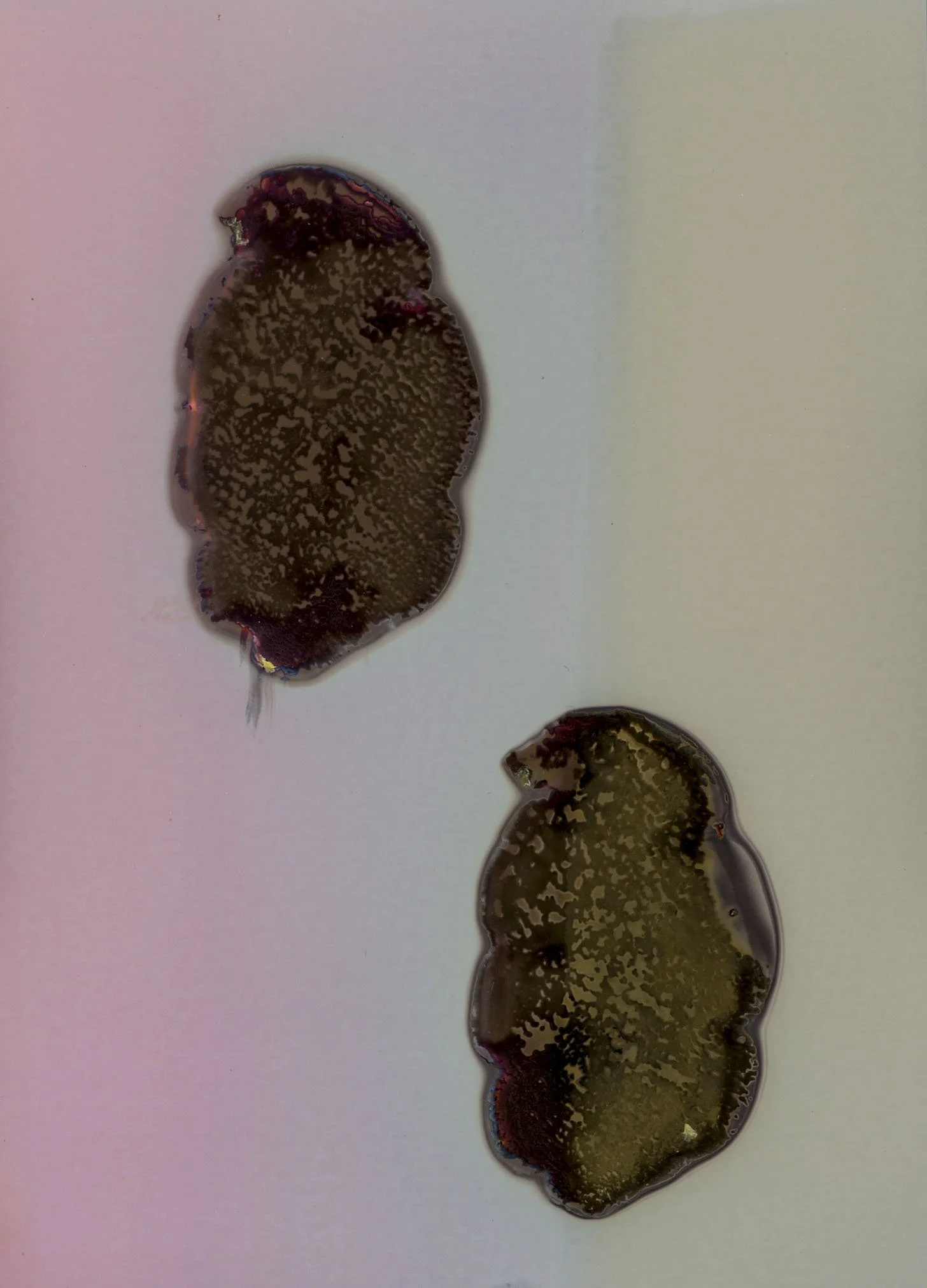
Harvest
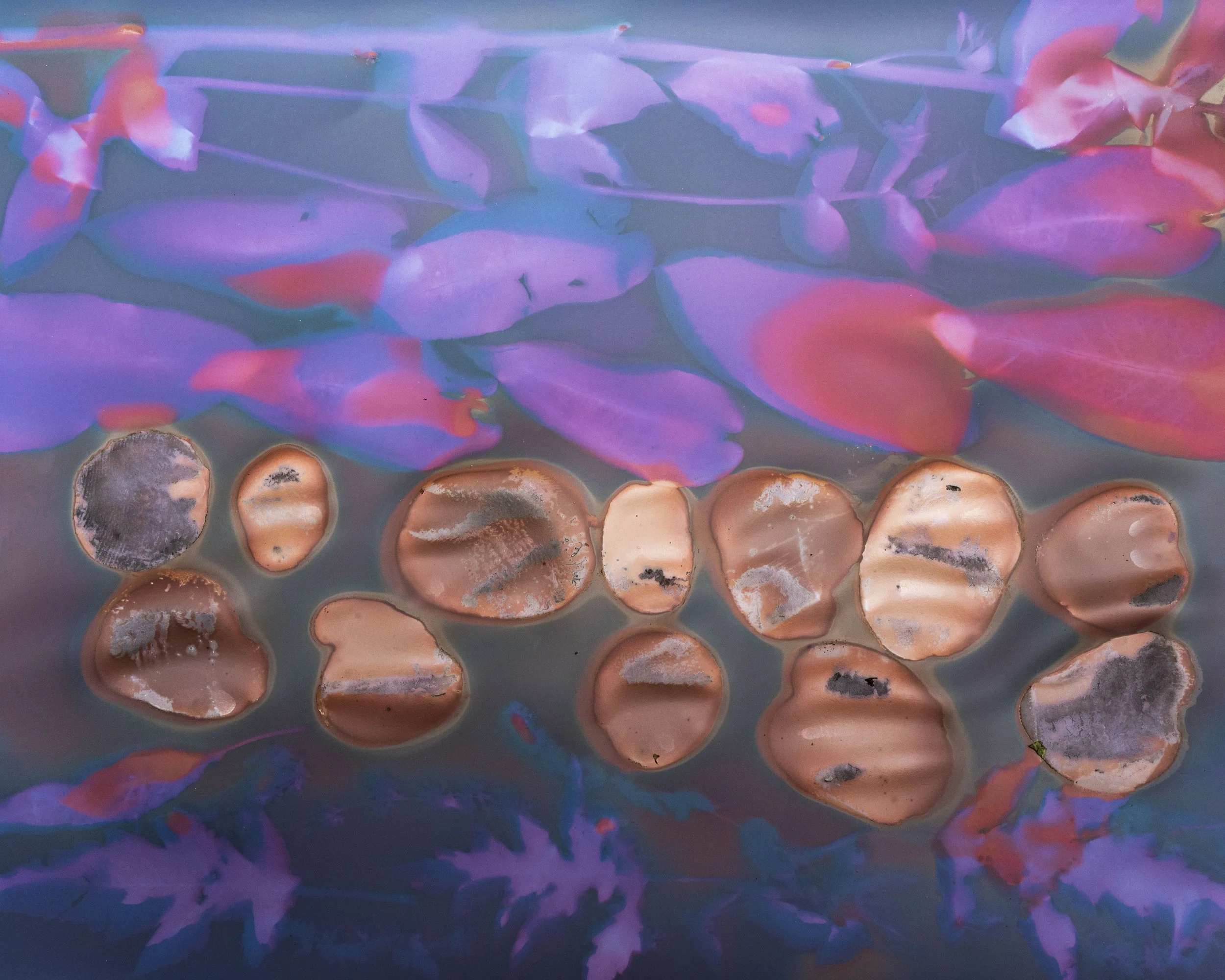
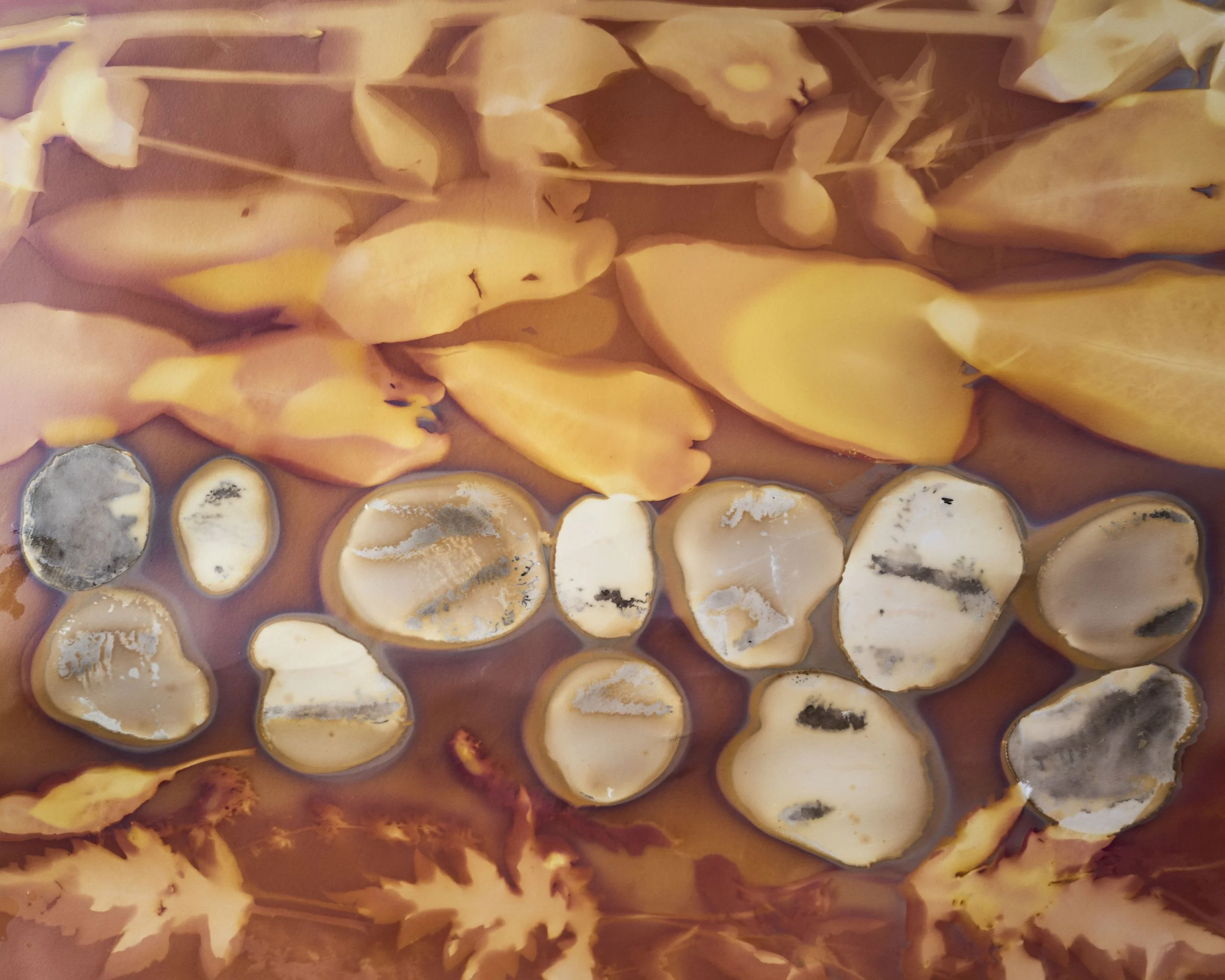
Created in the Moray ecosystem at the height of the agricultural season, these lumen photograms are field records of native tubers. To create these works I collected the tubers at the harvest site and placed them onto photographic paper, transforming these encounters into images. The photograms were photographed before and after chemical processing.
Created during a research process carried out in collaboration with Mater.
Prints available